How to Build Healthy Cooking Skills in Your Own Kitchen Using Online Courses
Mar 27, 2026



Live cooking demonstrations now allow anyone to participate from their own kitchen while a registered dietitian responds to questions as they come in. Participants can adjust ingredient amounts on the spot and instantly view detailed nutrient information right on their screens. This interactive approach to learning about food combines advanced technology, expert advice, and a sense of shared experience. By connecting people with professionals and providing immediate feedback, these virtual events create a fun and supportive space that encourages lasting improvements in eating habits and overall nutrition.
These sessions cut travel time and fit into busy schedules. You can access global talent, discover new recipes, and track your progress with wearable devices. Interactive virtual nutrition events give you hands-on practice, expert feedback, and peer support all under one virtual roof.
Major health brands and indie chefs now organize events that blend education and entertainment. Some feature chefs alongside dietitians who explain nutrient roles as meals take shape. Others use gamified quizzes to keep viewers engaged.
Organizers design bite-sized modules. They split lessons into 10–15 minute segments that showcase techniques, explain the science, and invite participants to cook small portions. This modular approach suits viewers juggling work, school, or family care.
These tools give participants an active role instead of passive watching. They control the pace, choose recipe variations, and apply advice instantly. That immediate feedback increases retention and satisfaction.
As internet speeds improve and devices become smarter, these interactive features will grow more powerful and affordable. Today’s basic webinar could turn into a holographic cooking lab in the future.
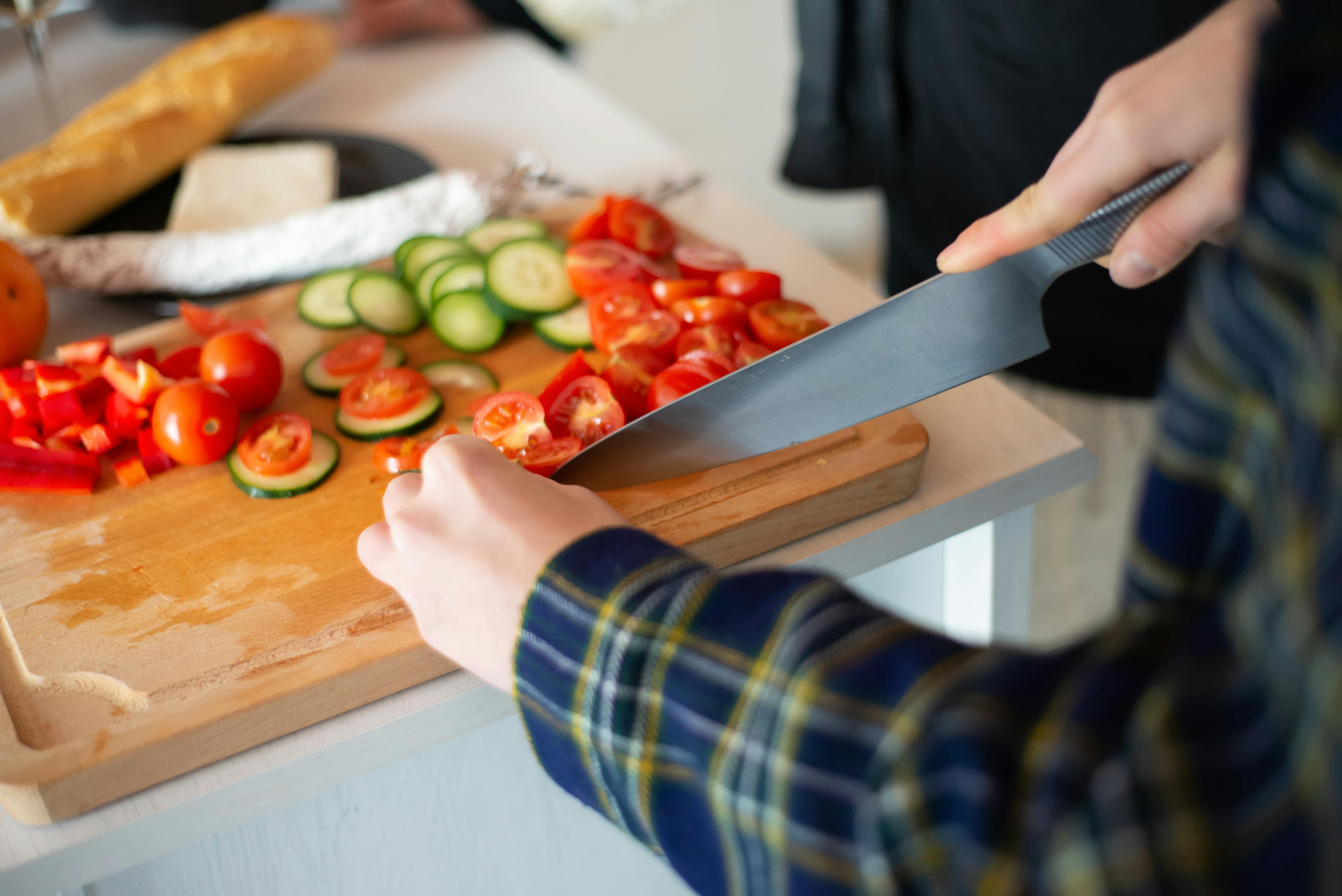
Live events encourage you to cook instead of endlessly scrolling. That hands-on approach builds confidence in the kitchen and sparks curiosity about new foods. You acquire practical skills—knife techniques, herb pairings, seasoning tips—and incorporate them into your daily routine.
Watching a dietitian analyze the nutritional profile of each ingredient leaves a stronger impression than reading a chart. When you see fiber from lentils slow glucose absorption, you internalize that lesson as you stir the pot.
Interacting with peers also boosts accountability. When you recognize familiar usernames and faces over multiple sessions, you create a support network. You exchange strategies, share challenges, and celebrate small wins together.
Studies show that participants in live online workshops report a 30% increase in cooking frequency and a 20% reduction in takeout orders over three months. These changes lead to savings, lower sodium intake, and more variety on the dinner table.
Well-planned events guide participants through clear learning goals: meal planning, grocery shopping, and cooking execution. Hosts schedule check-ins and summarize main points before moving to new demos. That pacing prevents information overload.
Organizers can strengthen engagement by sending simple kitchen challenges between sessions. For example, ask participants to swap refined grains for whole grains in one meal, then share photos and notes in the next workshop.
Register for events that match your skill level. If you’re new to cooking, look for “beginner-friendly” labels and shorter sessions. Experienced cooks can choose themed events—Mediterranean week or plant-based baking.
Gather ingredients and equipment beforehand. Create a digital grocery list and shop a day before the event. This preparation helps you stay focused during live demos instead of scrambling for supplies.
Block time on your calendar so you treat the session as an appointment. Turn on notifications and test your camera and mic 10 minutes before the start. A smooth connection makes you feel more involved.
Stay motivated by tracking small achievements. Note how often you try new ingredients, and reflect on improvements in flavor and health. Share your progress in event chat rooms or on social media to stay encouraged.
Wearables will soon connect seamlessly with cooking platforms. Your smartwatch could suggest chili powder if your heart rate drops during a sleep lecture or remind you to add a pinch of sea salt when sodium levels are low.
AI-based taste profiles will customize recipes. These systems analyze your food preferences, dietary restrictions, and nutritional goals to create meal plans instantly. Imagine logging a craving for tacos and immediately receiving a recipe that balances macros, reduces sodium, and stays within budget.
Virtual reality kitchens will add another level of immersion. You might wear a headset and practice slicing carrots in a simulated studio before doing it in real life. This trial-and-error approach speeds up skill development without wasting ingredients.
Community networks will expand too. Platforms will host user-created micro-events where hobbyist nutritionists and chefs lead small groups. These peer-led workshops promote deeper connections and niche expertise—from fermenting kombucha to making gluten-free pasta.
Interactive virtual nutrition events offer a practical way to improve habits. They combine expert advice, technology tools, and community interactions to make healthy eating easier and more enjoyable.
Join a session and try a new technique to improve your confidence and health.
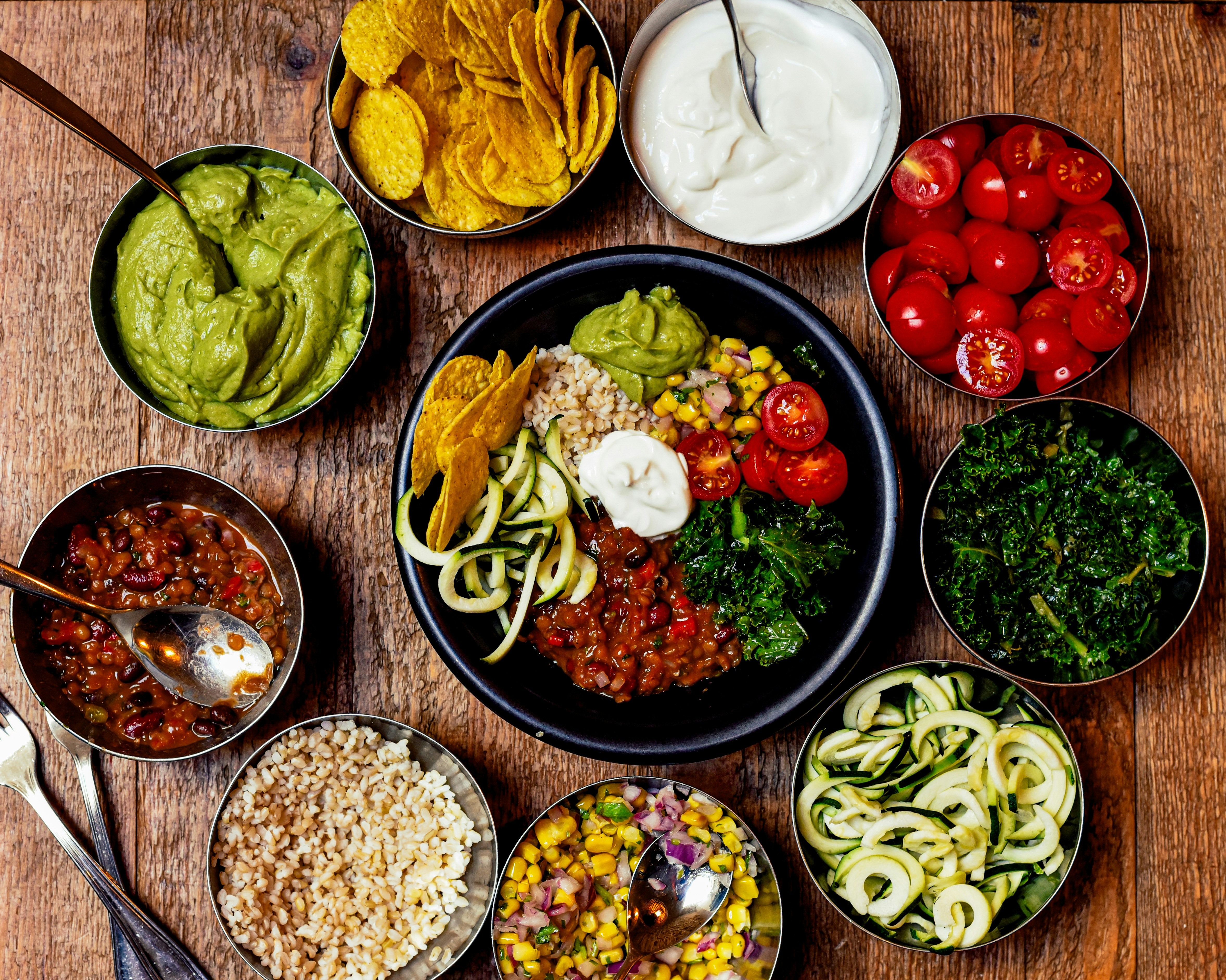
Switching to meals centered around plants offers a fresh approach to wellness and helps reduce your impact on the environment. Eating in a sustainable, plant-based way...
Mar 17, 2026

Keeping health information private and secure matters every day, whether you’re storing lab results, prescription details, or activity tracker data. Simple actions can...
Mar 13, 2026
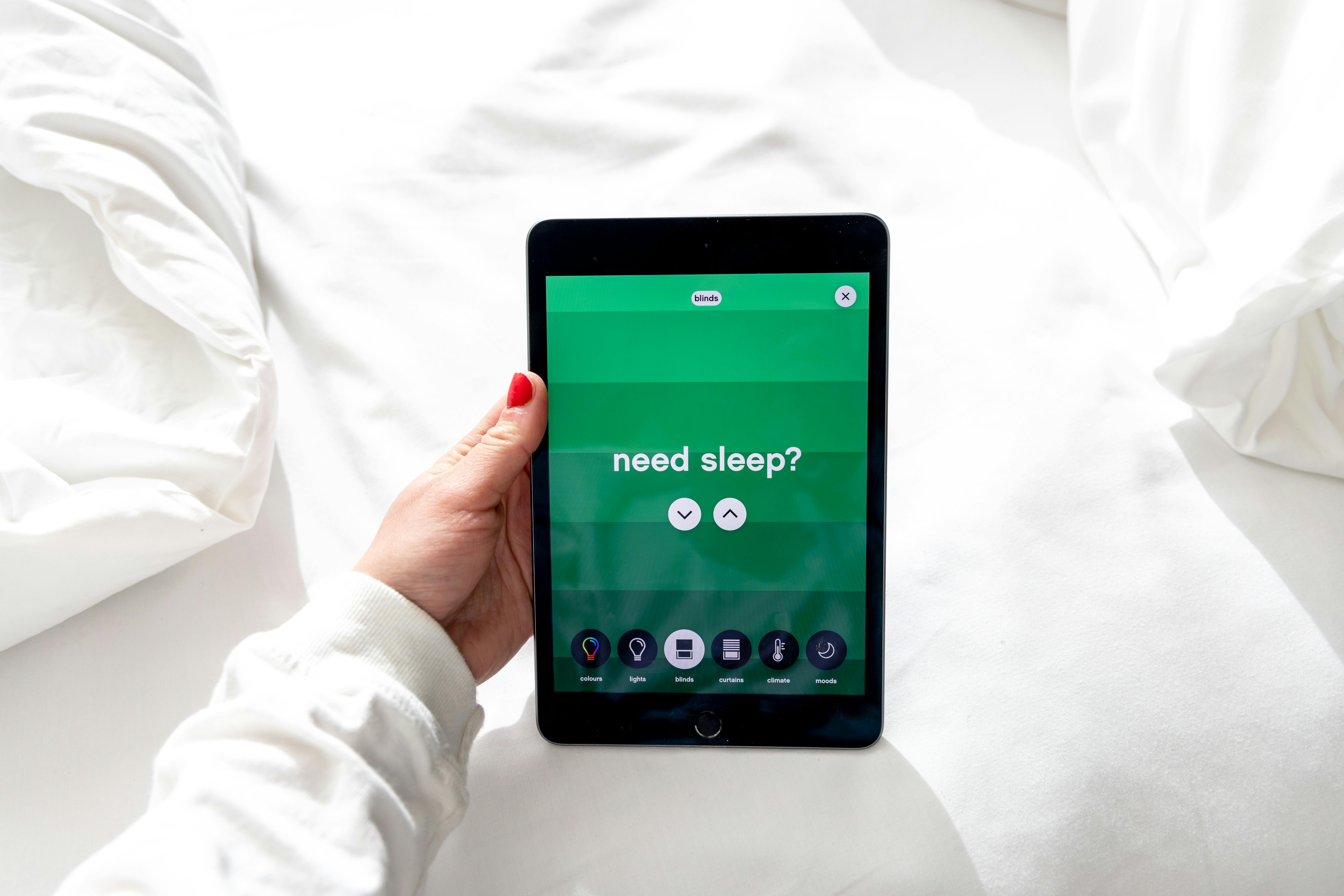
Quality sleep affects your mood, physical recovery, and mental clarity each day. Missing out on restful nights can leave you feeling drained, achy, and unfocused....
Mar 11, 2026
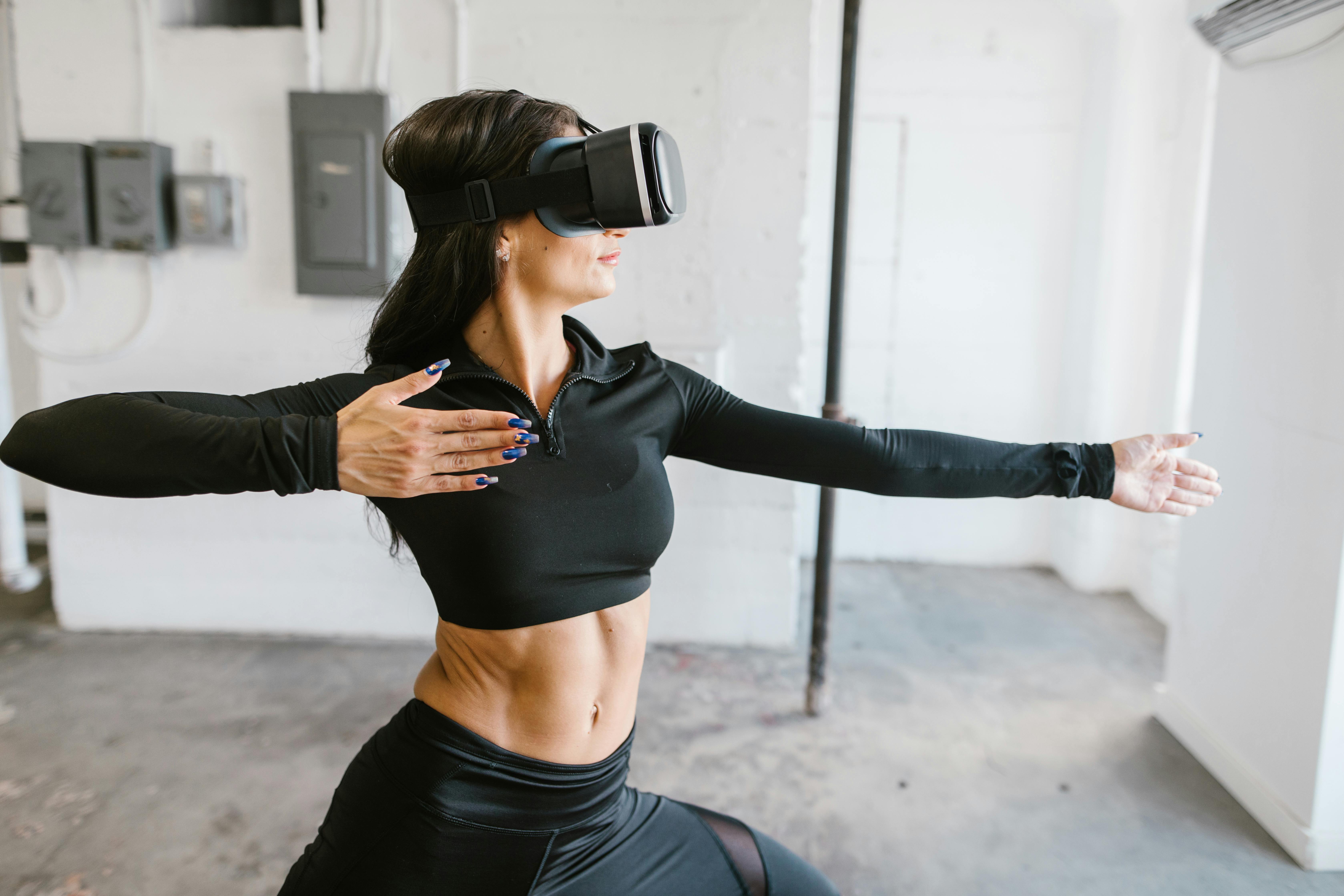
Online interactive fitness classes bring people together through shared workouts, making exercise more enjoyable and social. Joining these classes allows participants to...
Mar 07, 2026

Quality sleep plays a powerful role in boosting your energy each day and supporting lasting health. By understanding how sleep works, you can create routines that feel...
Mar 04, 2026

Understanding health information clearly can make everyday choices much easier and less stressful. You gain the ability to spot reliable facts and steer clear of...
Feb 28, 2026

Daily routines often allow stress to build up quietly, leaving you drained and overwhelmed. Online support offers a practical way to find relief and regain a sense of...
Feb 24, 2026

Water supports every system in the body, playing an important role in keeping you alert and energized throughout the day. Drinking enough fluids helps you concentrate...
Feb 21, 2026

Setbacks often reveal valuable lessons that help us grow stronger. When you face challenges, keeping your thoughts clear and your emotions steady can help you move...
Feb 17, 2026