
How to Build Healthy Cooking Skills in Your Own Kitchen Using Online Courses
Mar 27, 2026



Racing heartbeats, sweaty palms, and shallow breaths all serve as clear signs that your body responds to stress. You can notice these sensations and take steps to ease them with the help of straightforward feedback tools. Biofeedback devices such as those from *Muse* or *HeartMath* give you instant information about how your body is reacting in the moment. By seeing your heart rate slow down or your skin temperature increase, you start to understand the link between your emotions and your physical state. This awareness allows you to take charge of your reactions and promote a sense of calm when you need it most.
This article guides you from basic concepts to hands-on steps. You will learn how sensors capture data, which metrics matter most, and how to choose a gadget that fits your lifestyle. By the end, you will feel confident using biofeedback gear to ease tension and support your well-being.
Biofeedback uses sensors to measure physical signals related to stress. It transforms invisible processes—like muscle tension—into visible charts or sounds. When you watch these signals, you gain control over reactions that often feel automatic.
Devices can track heart rate variability (HRV), skin conductance, breathing patterns, and brain waves. Watching your HRV climb signals better stress resilience. Seeing skin conductance fall shows lower sweat gland activity. With this insight, you adjust breathing or posture and observe the numbers respond in real time.
When you start a session, sensors attach to your skin or slip onto your finger. The gadget sends tiny electrical pulses or measures blood flow. This information is transmitted to an app designed to translate it into graphs or simple color codes.
You follow cues on the screen—like a bar rising and falling with your breath—or listen to tones that speed up when you tense and slow when you relax. This loop between action and feedback trains your nervous system to favor calm.
Begin by listing the signals you want to monitor. Do you focus on heart rate or brain waves? If you need portable gear for daily commutes, look for a lightweight wristband. If you work from home, a desktop sensor with high precision might suit you better.
Compare battery life, data accuracy, and app features. User reviews often highlight comfort and ease of setup. Check if the app updates regularly and offers new exercises. Investing in a brand known for quality support can save you time troubleshooting later.
Consistent practice builds muscle memory for relaxation. Aim for short sessions—five to ten minutes—twice a day. Over weeks, you will notice lower baseline stress readings without the device.
Set small goals, like lowering your stress reading by 10% each week. If you reach a plateau, try new exercises or change sensor placement. Some users report a 15% drop in daily stress after just three weeks.
Celebrate your progress. Even a single relaxed session can reinforce healthy habits and motivate you to continue.
Many adults improve concentration, reduce headaches, and feel calmer with biofeedback training. Use the data to build your stress resilience effectively.

Switching to meals centered around plants offers a fresh approach to wellness and helps reduce your impact on the environment. Eating in a sustainable, plant-based way...
Mar 17, 2026

Keeping health information private and secure matters every day, whether you’re storing lab results, prescription details, or activity tracker data. Simple actions can...
Mar 13, 2026
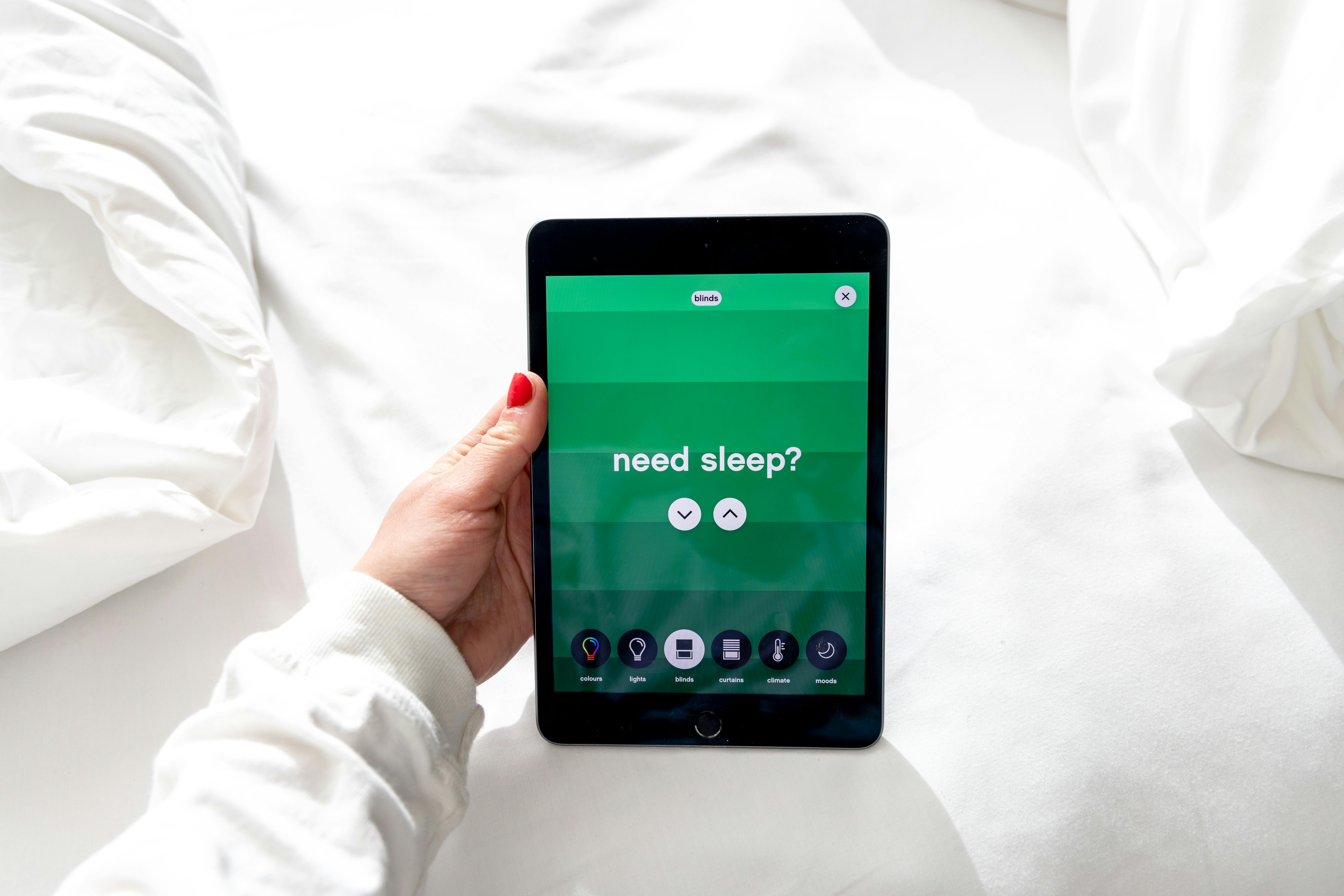
Quality sleep affects your mood, physical recovery, and mental clarity each day. Missing out on restful nights can leave you feeling drained, achy, and unfocused....
Mar 11, 2026
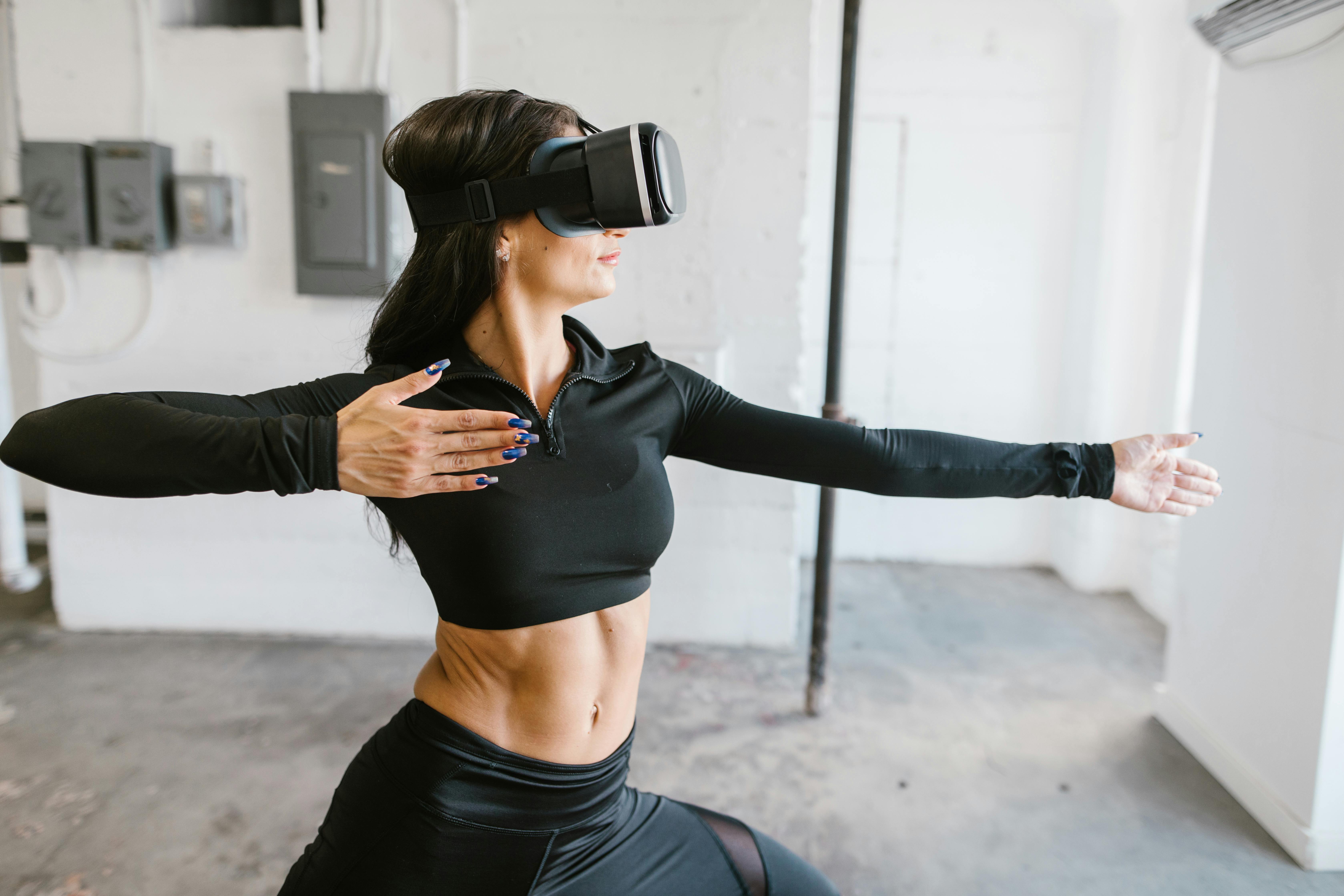
Online interactive fitness classes bring people together through shared workouts, making exercise more enjoyable and social. Joining these classes allows participants to...
Mar 07, 2026

Quality sleep plays a powerful role in boosting your energy each day and supporting lasting health. By understanding how sleep works, you can create routines that feel...
Mar 04, 2026

Understanding health information clearly can make everyday choices much easier and less stressful. You gain the ability to spot reliable facts and steer clear of...
Feb 28, 2026

Daily routines often allow stress to build up quietly, leaving you drained and overwhelmed. Online support offers a practical way to find relief and regain a sense of...
Feb 24, 2026

Water supports every system in the body, playing an important role in keeping you alert and energized throughout the day. Drinking enough fluids helps you concentrate...
Feb 21, 2026

Setbacks often reveal valuable lessons that help us grow stronger. When you face challenges, keeping your thoughts clear and your emotions steady can help you move...
Feb 17, 2026