
How to Build Healthy Cooking Skills in Your Own Kitchen Using Online Courses
Mar 27, 2026



Adjusting your everyday routines to match the weather strengthens your body’s natural defenses. You won’t need expensive equipment or the latest supplements. By making small changes to your meals, drinks, activity, and rest, you can develop greater resilience over time. Different seasons provide fresh foods, herbs, and opportunities to refresh your daily schedule, all of which support your health. Paying attention to the shifts around you and choosing simple, nourishing options can boost both your energy and your immune system, helping you feel your best no matter the weather.
Start by syncing routines with the calendar. Track sunrise and sunset to adjust sleep and exercise. Notice how fresh herbs taste sweeter in spring and how hearty roots fuel your strength in winter. When you follow the earth’s rhythm, your body rewards you with smoother recovery, sharper focus, and fewer sick days.
Feeding your body key nutrients protects cells and supports white blood cell production. Rotate foods to capture seasonal benefits. Enjoy variety to cover all vitamin and mineral bases.
Keep proteins lean but varied: fatty fish for omega-3s, beans for zinc, and pastured eggs for choline. Sprinkle nuts and seeds on salads for selenium and magnesium. Swap refined carbs for whole grains to stabilize blood sugar and reduce stress on your system.
Rotate probiotic foods weekly. Enjoy plain yogurt or *Kefir* in spring, kimchi in summer, sauerkraut in fall, and miso soup in winter. Each offers different beneficial strains for gut health, which ties directly to immune strength.
Water keeps every system humming. Aim for 8–10 cups daily, and add seasonal infusions that bring flavor and function. Herbal teas offer targeted benefits—calming nerves, clearing sinuses, or warming chilled hands.
Build a rotating tea stash at home. Fresh mint in summer cools and soothes digestion. Spring’s nettle tea provides iron and vitamin C. In fall, try *Tulsi* (holy basil) for stress relief and respiratory support. Winter’s rosemary infusion boosts circulation and offers antimicrobial compounds.
Herbal teas count toward hydration goals. They also deliver plant compounds that ordinary water lacks. Sip mindfully, and notice how each variety makes you feel more alert, calm, or warmed up.
Chronic stress can weaken your defense barrier. Building calm into your routine helps balance cortisol, stabilizes sleep, and improves recovery from illness.
These practices require no instructor or gadget. They take only minutes. Consistency pays off. Over weeks, you’ll notice clearer thinking and fewer head or back aches tied to stress.
Pair these with gentle stretches or yoga poses. Hold each stretch for at least 20 seconds. Focus on shoulder rolls, neck release, and hip openers. Your body and mind will reward you with less rigidity and a calmer baseline.
Quality sleep amplifies every immune boost you build. Skimp on rest, and you undo hard-earned benefits. Follow a simple wind-down routine most nights.
Limit screen time 60 minutes before bed. Bright displays interrupt melatonin production. Swap devices for a book, a crossword, or soft music. Keep your room cool—around 65°F improves deep sleep—and block outside noise with earplugs or a white-noise machine.
Set fixed wake-up times, even on weekends. Your body clock thrives on consistency. If you struggle to fall asleep, try a quick breathing exercise: inhale for four counts, hold two, exhale for six. Repeat five times. This slows racing thoughts and lowers heart rate.
Don’t aim for marathon sleep sessions every night. If you feel sluggish midday, take a 15–20 minute power nap. Even brief rest clears brain fog and lowers cortisol spikes without interfering with nighttime slumber.
Movement stimulates circulation, pumps lymph fluid, and helps clear out stagnant toxins. Shift intensity and style with weather and daylight.
Whatever the season, pick activities you enjoy. Consistency trumps intensity. If you dread the routine, switch to a dance class, a partner sport, or a community event to keep motivation high.
Track your performance. Note distance, time, or reps in a notebook. Seeing progress boosts confidence and reminds you that each session strengthens your immune system.
Small changes at home and work can reduce germ load and support immunity. Create a cleaner, less stressful setting so your body does less damage control and more adapting.
At work, stretch your legs every hour. Even short breaks boost lymph circulation. Swap elevator rides for stairs and hold walking calls when possible. Carry a reusable water bottle to remind you to hydrate.
At home, set a weekly mini-clean ritual. Spend ten minutes tackling a different zone— fridge, desk, or bathroom. You’ll limit mold and bacteria buildup without overwhelming yourself.
Incorporate one tip from each section into your week to build lasting habits. Small changes can lead to fewer sniffles and more energy over time.

Switching to meals centered around plants offers a fresh approach to wellness and helps reduce your impact on the environment. Eating in a sustainable, plant-based way...
Mar 17, 2026

Keeping health information private and secure matters every day, whether you’re storing lab results, prescription details, or activity tracker data. Simple actions can...
Mar 13, 2026
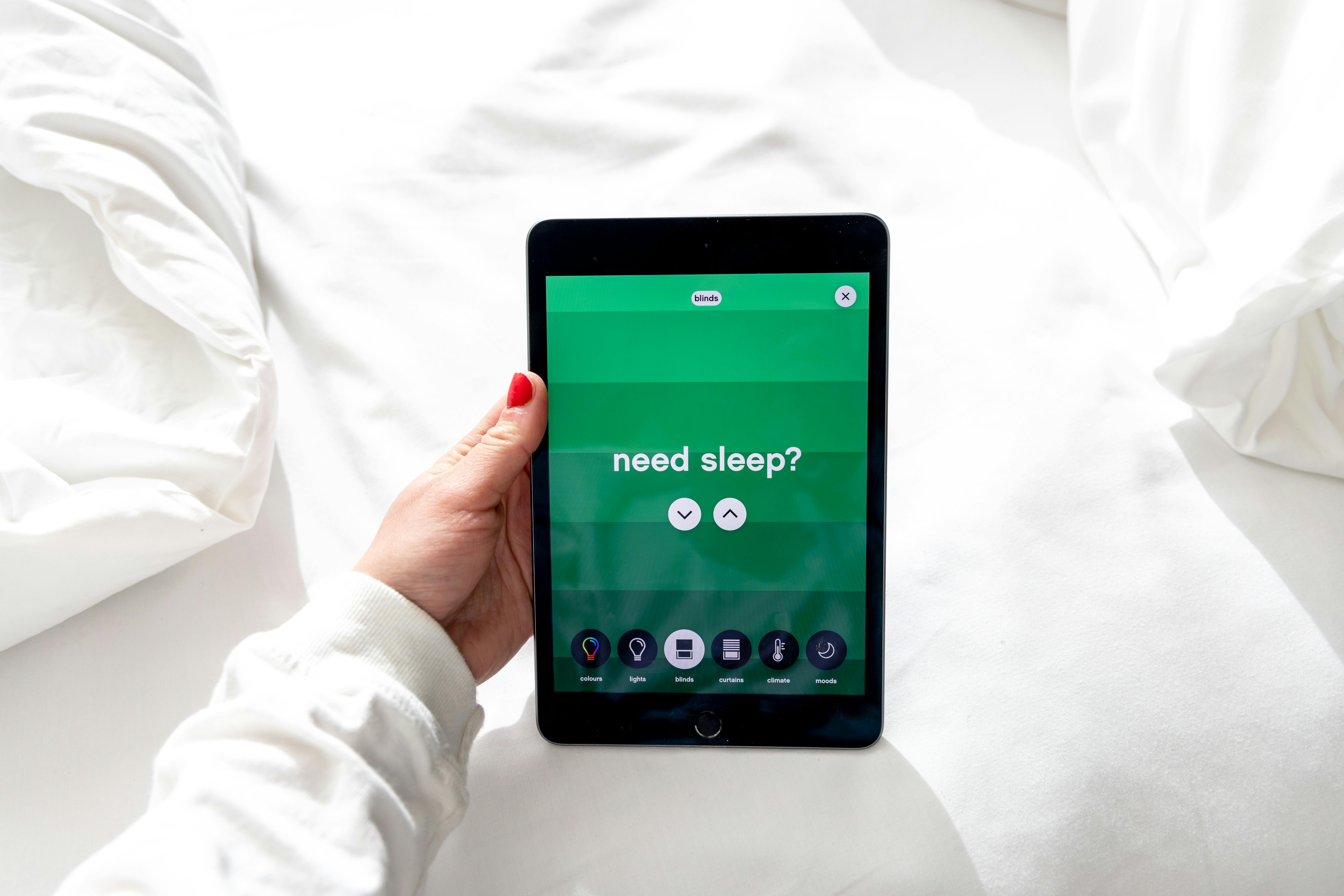
Quality sleep affects your mood, physical recovery, and mental clarity each day. Missing out on restful nights can leave you feeling drained, achy, and unfocused....
Mar 11, 2026

Online interactive fitness classes bring people together through shared workouts, making exercise more enjoyable and social. Joining these classes allows participants to...
Mar 07, 2026

Quality sleep plays a powerful role in boosting your energy each day and supporting lasting health. By understanding how sleep works, you can create routines that feel...
Mar 04, 2026

Understanding health information clearly can make everyday choices much easier and less stressful. You gain the ability to spot reliable facts and steer clear of...
Feb 28, 2026

Daily routines often allow stress to build up quietly, leaving you drained and overwhelmed. Online support offers a practical way to find relief and regain a sense of...
Feb 24, 2026

Water supports every system in the body, playing an important role in keeping you alert and energized throughout the day. Drinking enough fluids helps you concentrate...
Feb 21, 2026

Setbacks often reveal valuable lessons that help us grow stronger. When you face challenges, keeping your thoughts clear and your emotions steady can help you move...
Feb 17, 2026