
How to Build Healthy Cooking Skills in Your Own Kitchen Using Online Courses
Mar 27, 2026



Every day, your heart works tirelessly, beating over 100,000 times to circulate blood and supply your body with vital oxygen. Taking care of this remarkable organ can help you stay energetic and healthy as the years pass. Making small, consistent changes to your daily routine can have a big impact on your overall well-being and protect you from many health concerns that develop with time. By giving your heart the attention it deserves, you can improve your quality of life and enjoy greater resilience. Try these seven practical tips to support your heart and keep it strong for years to come.
To protect your heart, understand what it requires. It thrives on steady blood flow, stable blood pressure and balanced cholesterol levels. Each of these factors links to your daily choices. Recognizing how they work helps you make smart moves.
Measure your blood pressure regularly. Aim for a reading below 120/80 mm Hg. Check cholesterol once a year. Track how your levels respond to diet and exercise. Adjust your actions based on real data, not guesswork.
Exercise strengthens your heart muscle. It improves circulation and helps you manage weight. You don’t need a marathon plan. Small, consistent workouts deliver big gains over time.
Mix these activities throughout your week. Variety challenges your body and keeps boredom at bay.
Your meals fuel blood flow and cell repair. Select foods that lower bad fats and raise good fats. Balance your intake of protein, carbs and produce.
Plan your meals ahead. Cook at home to control salt and sugar. When eating out, ask for dressings on the side and skip the extra cheese.
Stress raises your heart rate and blood pressure. Over time, repeated surges damage arteries. Find ways to calm your mind before tension builds.
Dedicate five minutes daily to breathing exercises. Close your eyes and inhale through your nose for four seconds. Hold for two counts, then exhale for six. Repeat until you feel steadier. Next, do a quick body scan: tense each muscle group for five seconds, then release.
Choose a hobby that distracts you from to-do lists. Gardening, sketching or playing an instrument can help clear your mind. You’ll return to tasks more focused and with a calmer pulse.
Sleep gives your heart a needed rest. When you sleep, your blood pressure drops and your vessels repair minor damage. Aim for seven to eight hours each night.
Create a relaxing routine. Turn off screens 30 minutes before bed. Read a few pages of a light novel or do gentle stretches. Keep your room cool and dark to signal your body it’s time to rest.
Stick to a consistent schedule. Go to bed and wake up at the same time, even on weekends. Over time, your body adjusts to this rhythm. You’ll fall asleep faster and wake up feeling more refreshed.
Tests detect warning signs early. Schedule a visit with your primary care provider at least once a year. Request examinations that check blood pressure, cholesterol and blood sugar levels.
Discuss your lifestyle openly. Mention any headaches, chest discomfort or fatigue. These clues help your doctor provide tailored advice. If you are 45 or older, consider adding a stress test or an echocardiogram based on your risk factors.
Keep track of your results in a journal or in an app like Apple Watch Health. Record dates, readings and any lifestyle changes. Reviewing past entries helps you notice trends and modify your actions quickly.
Make daily choices that support your heart's health. Small, consistent habits help keep your heartbeat strong for years to come.

Switching to meals centered around plants offers a fresh approach to wellness and helps reduce your impact on the environment. Eating in a sustainable, plant-based way...
Mar 17, 2026

Keeping health information private and secure matters every day, whether you’re storing lab results, prescription details, or activity tracker data. Simple actions can...
Mar 13, 2026
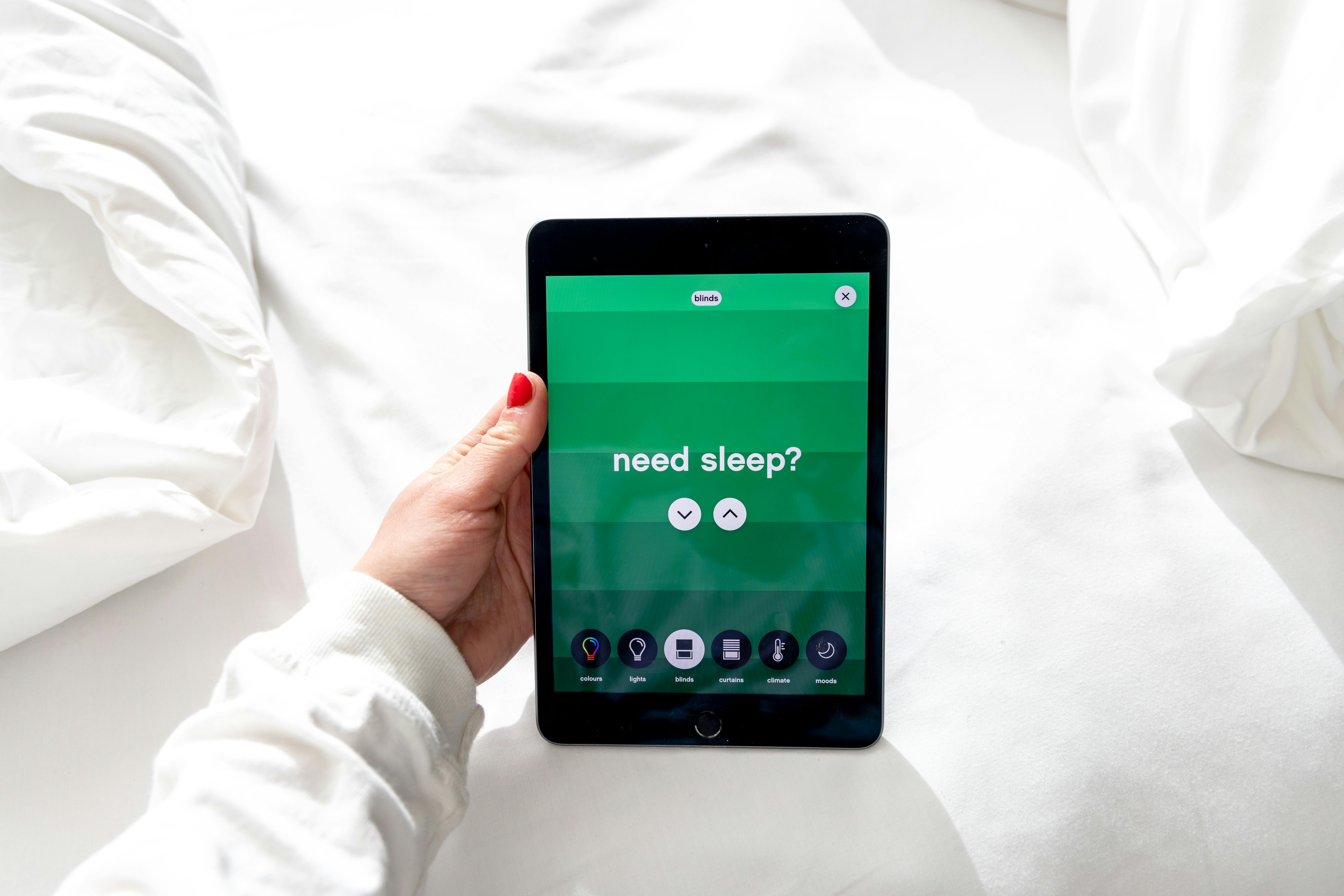
Quality sleep affects your mood, physical recovery, and mental clarity each day. Missing out on restful nights can leave you feeling drained, achy, and unfocused....
Mar 11, 2026

Online interactive fitness classes bring people together through shared workouts, making exercise more enjoyable and social. Joining these classes allows participants to...
Mar 07, 2026

Quality sleep plays a powerful role in boosting your energy each day and supporting lasting health. By understanding how sleep works, you can create routines that feel...
Mar 04, 2026

Understanding health information clearly can make everyday choices much easier and less stressful. You gain the ability to spot reliable facts and steer clear of...
Feb 28, 2026

Daily routines often allow stress to build up quietly, leaving you drained and overwhelmed. Online support offers a practical way to find relief and regain a sense of...
Feb 24, 2026

Water supports every system in the body, playing an important role in keeping you alert and energized throughout the day. Drinking enough fluids helps you concentrate...
Feb 21, 2026

Setbacks often reveal valuable lessons that help us grow stronger. When you face challenges, keeping your thoughts clear and your emotions steady can help you move...
Feb 17, 2026