
7 Online Workshops That Transform Stress Management Skills
Feb 24, 2026



Setbacks often reveal valuable lessons that help us grow stronger. When you face challenges, keeping your thoughts clear and your emotions steady can help you move forward with confidence. Building mental toughness begins with paying attention to your reactions in stressful situations. By recognizing your patterns, you can make thoughtful choices even when pressure mounts. This article explores simple ways to handle stress, bounce back more quickly after difficulties, and maintain your composure when unexpected problems appear. With these approaches, you can meet life’s obstacles with greater resilience and a sense of calm.
Resilience reflects your ability to bounce back after a tough day or major upheaval. Coping skills involve the specific habits and actions you take when stress peaks. Together, they shape how you handle work deadlines, relationship tensions, or health scares.
You develop these traits over time. Small wins matter—a brisk walk that clears your head, a deep breath before a big meeting, even a quick chat with a friend. Those moments add up. You’ll notice stress no longer derails your focus, and you recover more quickly.
Consistency counts more than intensity. You don’t need marathon sessions of self-analysis. A few minutes of focus each day reshapes your stress response. Those bite-size efforts prepare you when a real challenge hits.
When setbacks happen, you’ll already have a toolkit ready. You’ll jump into action instead of freezing under pressure. That alone recharges your confidence.
Addressing stress directly through action creates a feedback loop. You show yourself that you can handle pressure. Over time, each technique becomes a reflex.
Use this list as your first response when stress peaks. Once your heart rate slows, you’ll think clearly and choose the next best step.
Begin mornings with a brief ritual. It could be a two-minute stretch session beside your bed or a calm sip of tea outside. Pick one small habit that signals your mind to shift into “ready” mode.
At midday, set an alarm to stand, move, or simply look out a window. That quick break ignites a fresh burst of energy for the afternoon. Regular breaks prevent stress from building up.
In the evenings, take three minutes to write down one achievement and one lesson learned. That habit builds self-awareness. It also highlights what boosts confidence and what drains your willpower.
As these routines become routine, you’ll notice tough conversations feel easier. You’ll meet deadlines with clarity and step into social events without second-guessing yourself.
Check your energy levels weekly. Notice patterns: Do midweek slumps hit harder? Does a certain task drain your mood? Identify those trends, then adjust your schedule or break tasks into smaller parts.
Share your progress with a friend or group. Accountability encourages commitment. When you tell someone about your pause routine or breathing exercises, you’re more likely to stick with them.
Try a guided audio session from *Headspace* or a brief podcast on psychology. These tools expand your perspective on stress and coping. You’ll discover new tips and feel less isolated when others share similar struggles.
Keep trying new approaches. If a technique stops working, switch it up. Resilience grows through adaptation. The more skills you learn, the more options you have during high-pressure moments.
Building consistent habits strengthens your mental resilience. Small routines and tracking progress help you handle daily challenges more effectively and recover quickly.

Busy schedules filled with work responsibilities, family commitments, and personal health routines often make learning something new seem out of reach. Even so, you can...
Mar 31, 2026

Taking charge of your own learning opens up new possibilities for personal growth and lasting well-being. When you set your own goals, you allow your curiosity to guide...
Jun 15, 2026
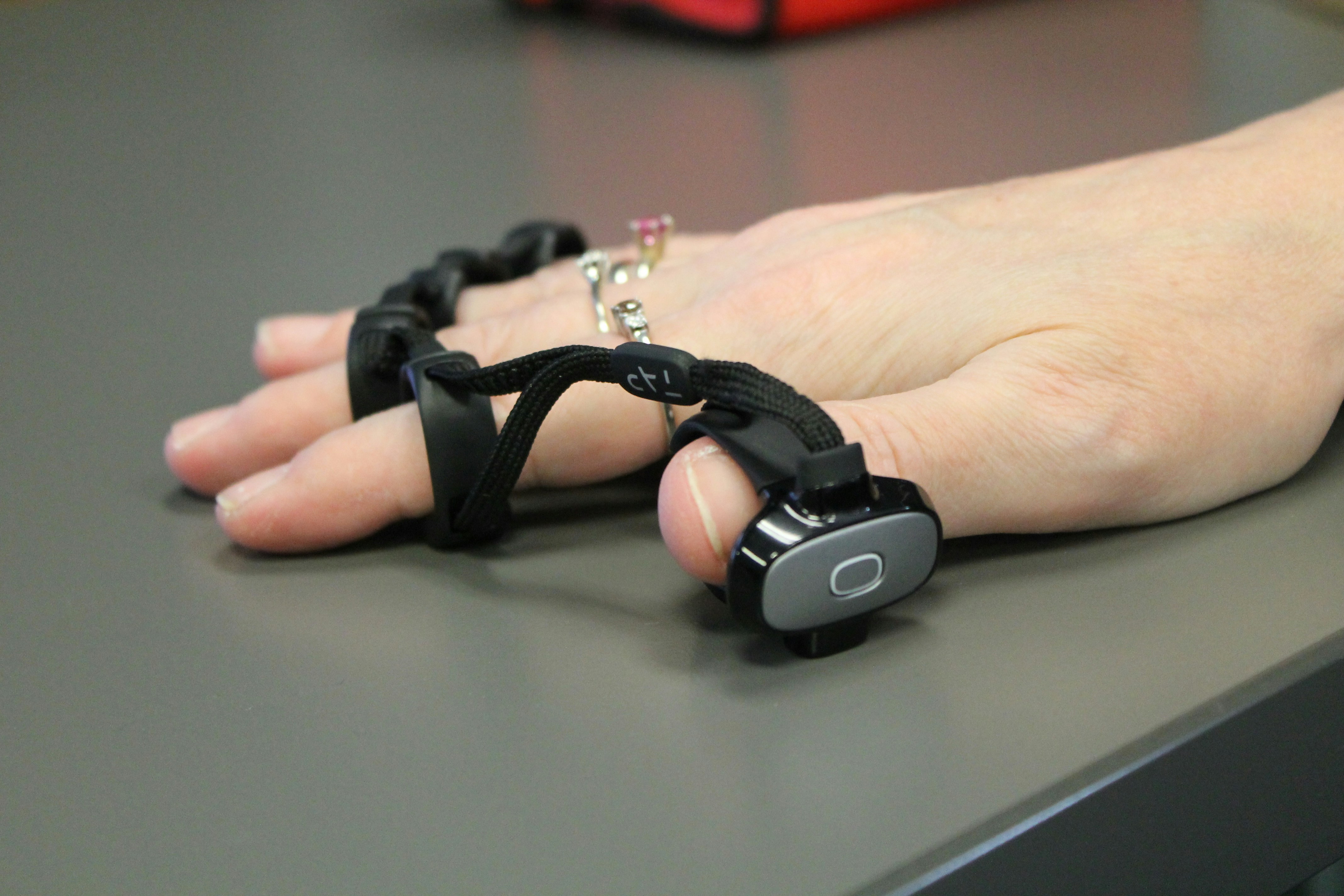
Small devices that read your body's signals can help you relax after a demanding day. Biofeedback gadgets use information from your heart rate, skin conductance, or...
May 09, 2026

Daily routines shape the way energy moves through the body, and paying attention to these patterns can lead to greater self-awareness. Noticing physical signals, such as...
Mar 20, 2026
Selecting the right workshop for well-being often feels overwhelming, given the many choices available. People want reliable programs that deliver lasting results and...
Apr 03, 2026

Natural surroundings enliven your senses and help restore mental clarity. Spending time outdoors allows sunlight and fresh air to lift your spirits while gentle movement...
Apr 25, 2026

Everyday choices affect the air, water, and products you interact with, and environmental health workshops bring those impacts into focus. By combining scientific...
May 07, 2026

Keeping track of health information often feels complicated when notes are scattered across different places. Using a health journal on a phone or tablet brings all...
Apr 11, 2026
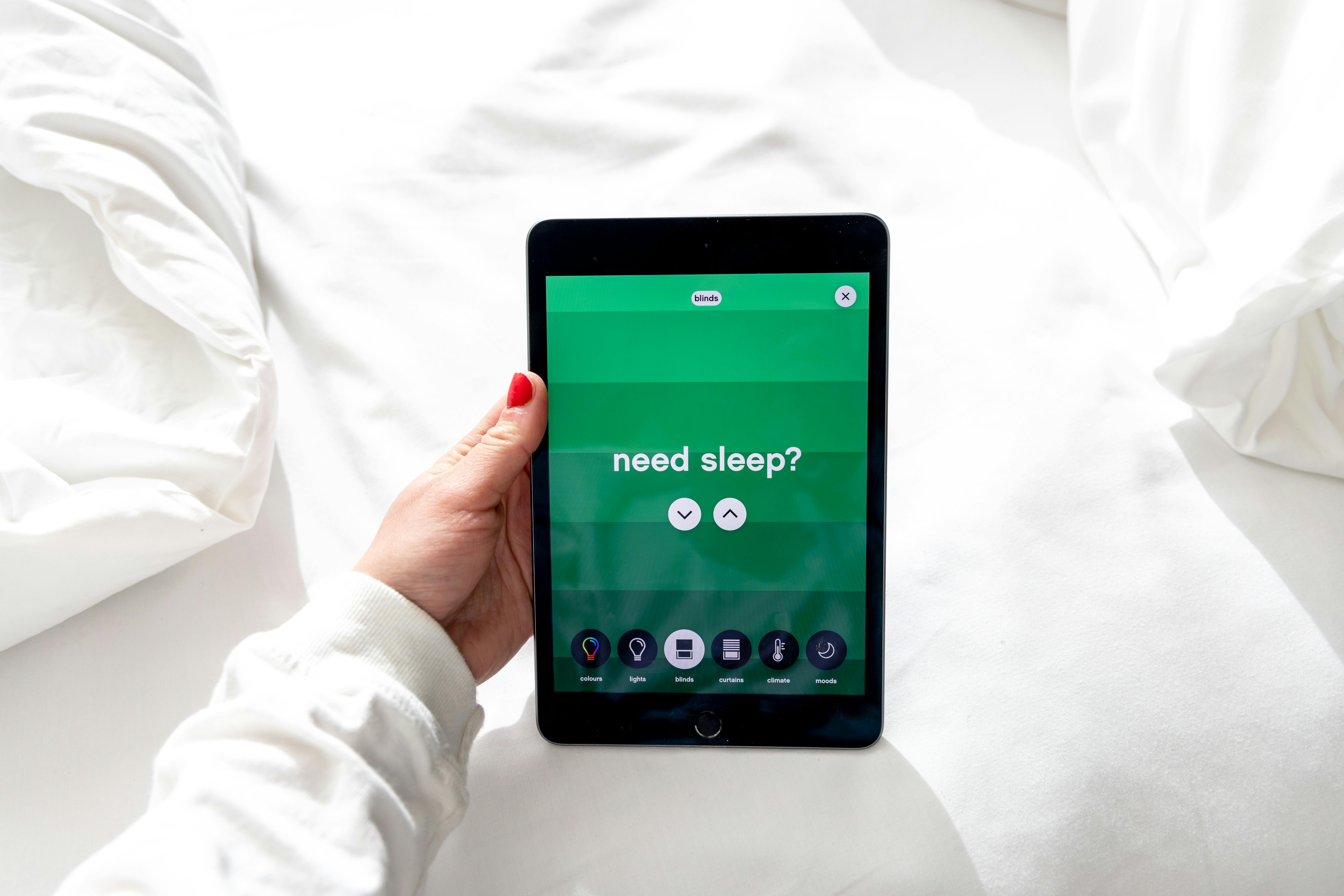
Quality sleep affects your mood, physical recovery, and mental clarity each day. Missing out on restful nights can leave you feeling drained, achy, and unfocused....
Mar 11, 2026
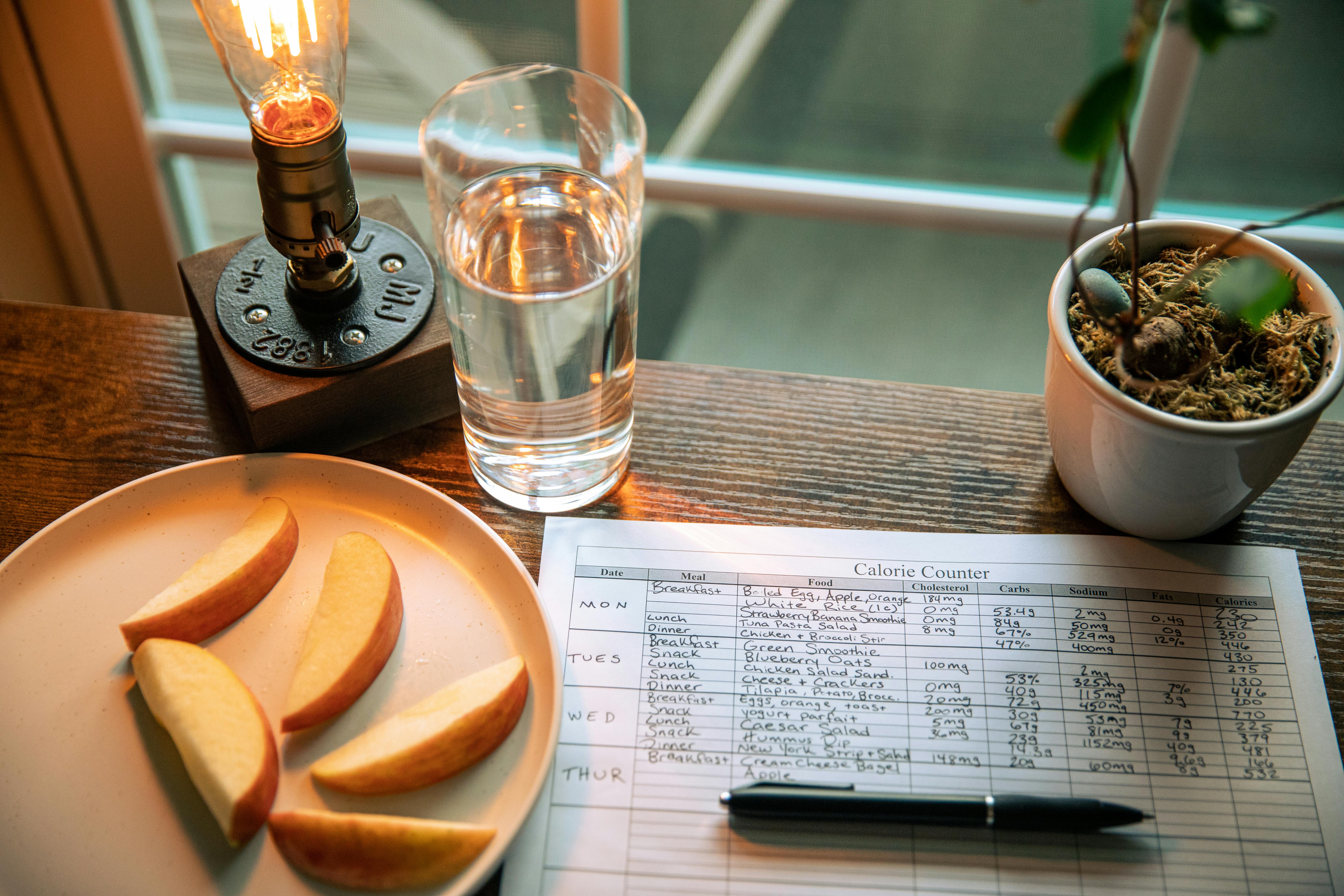
Creating meals that truly suit your lifestyle goes beyond following recipes you find online. You need simple actions that match your daily routine, personal health...
May 23, 2026

Countless microbes live in your gut, playing key roles in digestion, immune defense, and emotional balance. When this internal community falls out of balance, you may...
Apr 22, 2026

Each morning brings a chance to feel more energized and stronger than before. Simple actions, such as turning a doorknob with ease or walking briskly to greet the day,...
Mar 24, 2026
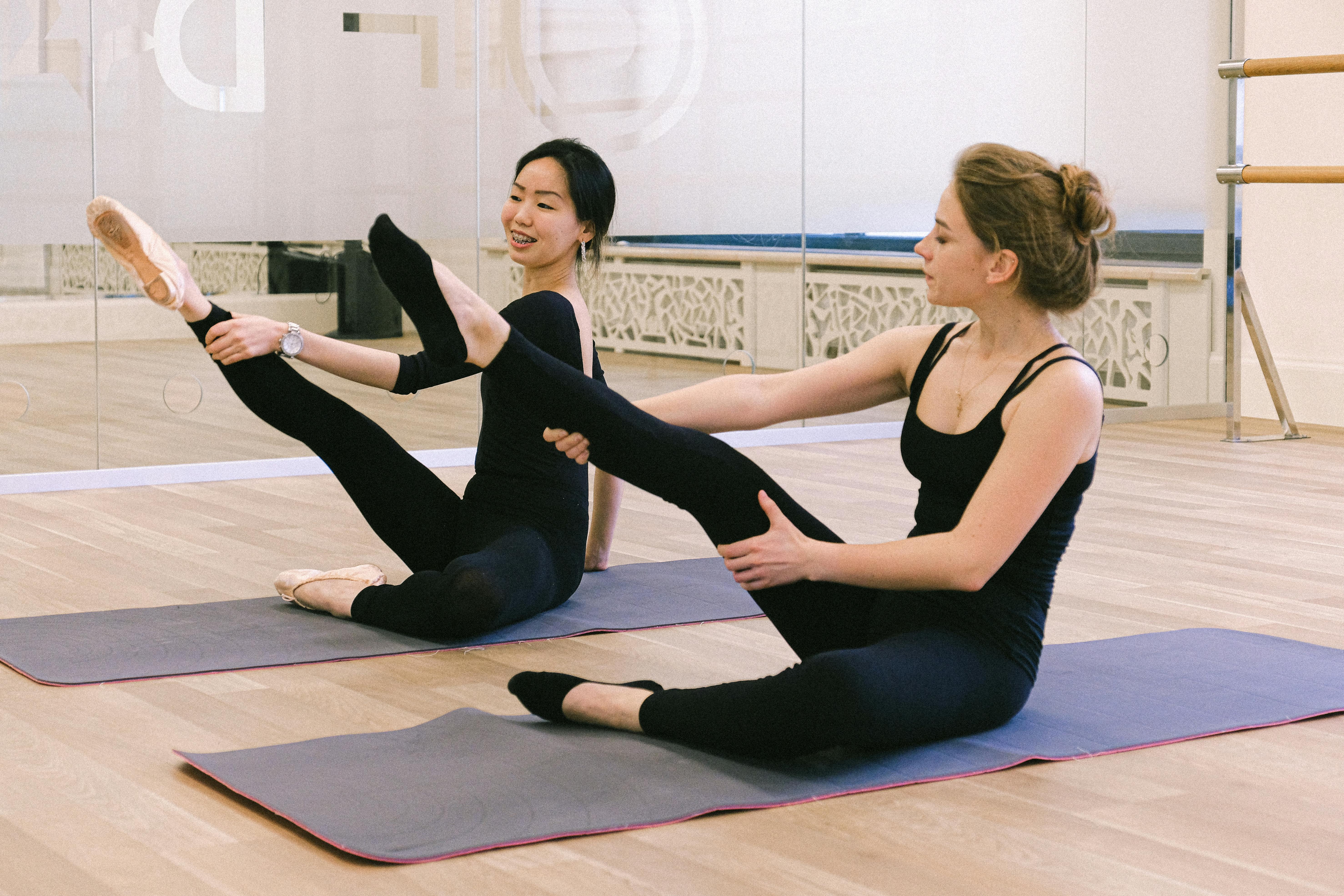
Regular movement that both strengthens muscles and increases flexibility plays a key role in keeping joints healthy. Lifting weights or using resistance encourages the...
Jun 02, 2026

Many aspects of restful sleep depend on what you do before bedtime. Simple evening routines help your body relax and get ready for a night of deep, satisfying rest....
Jun 06, 2026