
How To Develop Resilience And Coping Skills For Modern Life
Feb 17, 2026



Daily routines often bring unexpected moments of stress, which can show up as tense muscles during a hectic day or as racing thoughts that keep you awake at night. Recognizing these signs gives you the chance to respond with intention rather than letting stress take over. Paying attention to how your body and mind react allows you to take small steps toward feeling more at ease. The following tips outline simple actions anyone can try to reduce stress and support a greater sense of calm. By practicing these approaches, you can handle challenges with more confidence and feel steadier throughout your day.
Stress happens when your mind or body perceives a threat. Resilience is your ability to recover from setbacks. Learning these concepts helps you identify triggers and change your reactions.
Recognizing these pieces helps you act sooner. You will notice patterns and stop cycles before they get worse.
Mindfulness involves paying attention to the present moment without judgment. You focus on sights, sounds, and feelings to clear mental clutter.
Try a two-minute breathing break when you feel overwhelmed. Close your eyes and count inhales and exhales up to ten. Do it again if needed.
You don’t face stress alone. Friends, family or peers can provide new perspectives and emotional support. Reach out early, not just during peak moments.
Action tip: Schedule a weekly catch-up call. Use this time to share small wins and setbacks. This habit keeps your connections strong and lowers feelings of loneliness.
Moving your body changes brain chemistry. You release tension and improve mood. It also helps you sleep better, giving you more energy to handle tasks.
Reflection prompt: Keep a log of activity type and duration for one week. Notice links between movement and sleep quality. Change routines based on what helps you relax most.
Your thoughts influence how stress feels. Reframing means replacing negative or rigid beliefs with more balanced ones. This changes your internal dialogue to a supportive tone.
Exercise: When you notice a worry thought, ask two questions: “Is it a fact or a feeling?” and “What evidence says otherwise?” Write down one counterpoint to lessen the worry.
Eating well, drinking enough water, and following simple routines keep your energy steady. Small steps add up quickly. Cut back on processed foods and aim for colorful plates.
Tip: Start each morning with a glass of water and a two-minute gratitude note. Write down one thing you value or look forward to. This centers your mindset and prepares you for the day.
Stress will occur, but you can handle it with these tools. Practice regularly and monitor your progress to build resilience and find more calm in your daily life.

Quality sleep plays a powerful role in boosting your energy each day and supporting lasting health. By understanding how sleep works, you can create routines that feel...
Mar 04, 2026

Keeping track of health information often feels complicated when notes are scattered across different places. Using a health journal on a phone or tablet brings all...
Apr 11, 2026

Smart scales now provide a wealth of information that goes far beyond a simple weight reading. When you use one, the device measures details like water balance, muscle...
Apr 07, 2026

Busy schedules filled with work responsibilities, family commitments, and personal health routines often make learning something new seem out of reach. Even so, you can...
Mar 31, 2026

Each morning brings a chance to feel more energized and stronger than before. Simple actions, such as turning a doorknob with ease or walking briskly to greet the day,...
Mar 24, 2026
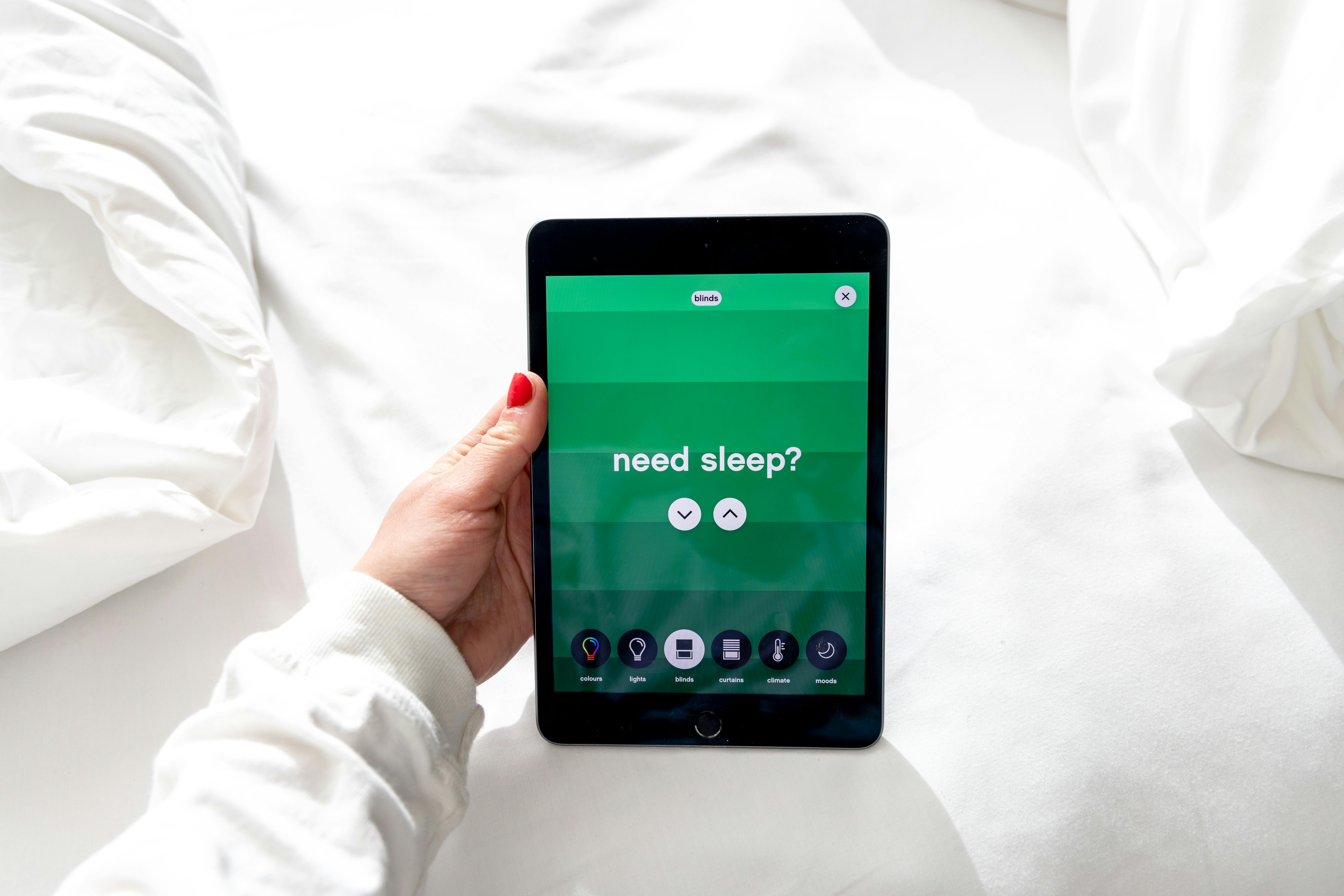
Quality sleep affects your mood, physical recovery, and mental clarity each day. Missing out on restful nights can leave you feeling drained, achy, and unfocused....
Mar 11, 2026

Daily routines often involve a steady stream of notifications, messages, and endless scrolling, making it easy to feel consumed by digital overload. Setting clear...
Jan 19, 2026

Many daily activities offer ideal opportunities to teach and discuss money without making it feel like a chore. Simple financial lessons can blend into morning...
Jan 22, 2026

Inside your digestive system, trillions of microbes work together to support digestion, strengthen immunity, and influence your mood. When you keep this community...
Feb 14, 2026

Water supports every system in the body, playing an important role in keeping you alert and energized throughout the day. Drinking enough fluids helps you concentrate...
Feb 21, 2026

Quality sleep often seems elusive when you encounter so much conflicting information and countless recommendations. Reliable rest begins with understanding how sleep...
Jan 15, 2026
Selecting the right workshop for well-being often feels overwhelming, given the many choices available. People want reliable programs that deliver lasting results and...
Apr 03, 2026

Keeping track of your daily water intake feels effortless with the help of the right gadget. Smart water bottles track how much you drink and send timely reminders when...
Jan 26, 2026

Practicing yoga or Pilates at home feels simple and rewarding when you use a quality online platform. With just a mat and a reliable internet connection, you can join...
Apr 15, 2026